
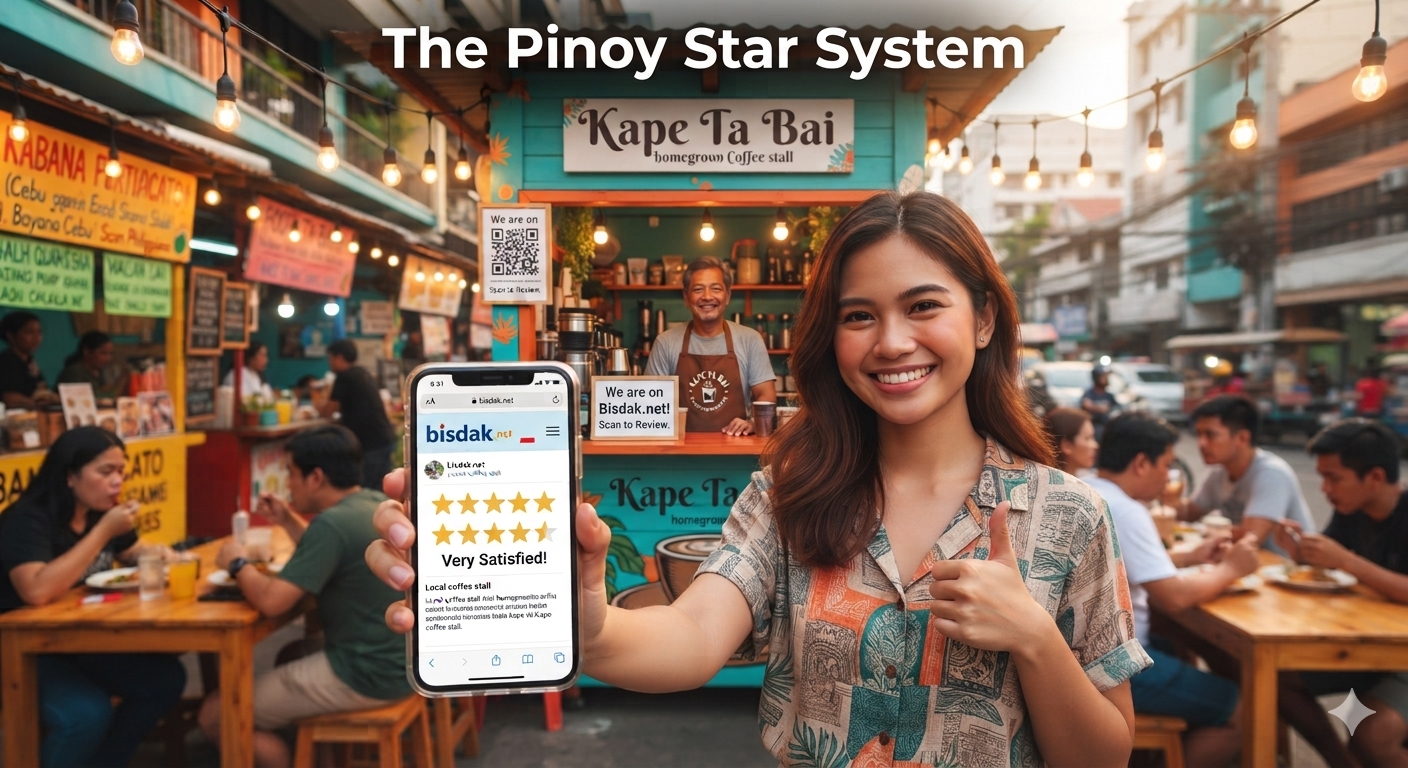
In the digital-first era, word of mouth has moved from over-the-fence neighborhood gossip to the glowing screens of our smartphones. In the Philippines, where e-commerce, food deliveries, and digital services have become daily essentials, online business reviews carry immense power.
A handful of positive remarks can skyrocket a small homegrown business, while a flood of one-star ratings can permanently sink an establishment’s reputation. But navigating the landscape of Philippine online reviews requires a unique set of skills. As local consumers—and smart business owners—how do we read between the lines?
Here is a guide to understanding the "Pinoy Star System" and how online business reviews are actively shaping the local economy.
Reading Between the Stars: The Anatomy of a Pinoy Review
Filipino reviewers are notoriously expressive. When checking a Facebook page, Shopee storefront, or Google Maps listing, you will notice that local feedback usually falls into very distinct, culturally unique categories:
- The "Mabait si Rider" 5-Star Phenom: This is the most common anomaly in Philippine e-commerce. A product will receive five stars entirely because the delivery rider was polite or arrived quickly, even if the actual product hasn't been opened yet!
- The Full-Blown Photo Essay: When Filipinos genuinely love a local business—whether it is a hidden beach resort in Cebu, a cafe in Davao, or a dental clinic in Manila—they don't just leave a sentence. They upload ten high-definition photos, film a quick aesthetic video, and write a heartwarming paragraph tagging the business owner.
- The Brutally Honest Fast-Food Rant: On the flip side, if a restaurant compromises on portion sizes (the ultimate sin against a hungry Filipino) or delays a delivery, locals will not hold back. You will get detailed feedback evaluating the exact temperature of the rice and the crispiness of the chicken.
Why Reviews Matter Now More Than Ever for Local SMEs
For small and medium enterprises (SMEs) across Luzon, Visayas, and Mindanao, online reviews are the ultimate equalizer. A small, independent barbecue joint in a barangay alley can outrank a commercial chain restaurant on food delivery apps if its rating sits at a solid 4.8 stars.
Reviews establish immediate trust. In a country where online scams occasionally make headlines, new customers look directly at the feedback section to answer three critical questions before hitting "Buy Now" or visiting a physical storefront:
- Is this business active and legitimate?
- Do the real-world products or services match their advertised photos?
- How does the business handle mistakes when a customer is unsatisfied?
Spotting the Fakes: How to Safeguard Your Wallet
As the value of a five-star rating has risen, so has the business of fake reviews. To make sure you are not being misled by manufactured praise, keep an eye out for these red flags:
- The Copy-Paste Spree: If you notice five or ten reviews posted on the exact same day using identical wording, phrases, or suspiciously professional stock photos, be cautious.
- The Multi-Review Account Bombardment: Click on the profile of the reviewer. If the account was created very recently and has left fifty five-star reviews for completely unrelated businesses all over the country in a single afternoon, those reviews are likely paid promotions.
- Lack of Local Nuance: Real Filipino reviews are filled with local expressions, casual "Taglish" or regional dialects, and references to specific local context (e.g., "Medyo traffic papunta," "Sulit ang kanin"). Overly generic, perfectly grammatical English reviews can sometimes point to bot activity.
The Bottom Line
Online business reviews in the Philippines are more than just stars on a screen—they are a community-driven trust economy. By leaving honest, detailed reviews for the businesses we visit, we help our fellow consumers save money and actively support the hard-working local entrepreneurs who deserve to thrive.
Login or create account to leave comments
Comments (0)